Honda Tire Services in Victoria, TX

Tire Service Built Around a Real Diagnosis
Tires that spend their days on gravel and caliche fail in small, patient ways, through a thorn tip buried in the tread or a stone working its way into a groove. Bravo Honda in Victoria, TX looks after tires for all makes and models, beginning with a diagnosis before any tire is sold. The technician looks over each tread and sidewall, checks pressures and, when a tire keeps losing air, submerges the whole assembly to find every leak. The spare and the jack get a look as well, since they matter most far from pavement. You leave knowing which tires can be repaired, which should be replaced and why.
Tires Explained in Plain Terms
Mesquite and huisache drop thorns that are hard, sharp and short enough to vanish into a tread groove. A thorn that pierces the tread often snaps off flush with the rubber, leaving a tip inside that partly seals the hole and lets air seep out over days. Pasture roads and fence lines can leave several of these in one tire, each too small to find by looking.
Gravel does its damage differently. A sharp stone wedged in a tread groove gets pressed deeper with each turn of the wheel, a process tire makers call stone drilling, until it reaches the belts beneath the tread. Caliche ruts and rock edges at the side of a road can slice a sidewall, and sidewall damage has no safe repair.
- Thorn tips can stay lodged for weeks, sealing the hole just enough that the loss only shows after the tire sits overnight.
- Stones caught between tread blocks can be pried out with care, but one that has already drilled in leaves a hole that needs inspection from inside the tire.
- A mower or a brush crew working a fence line can scatter thorn tips across a road, and one pass picks up several.
- Gravel chips and chunks the edges of tread blocks on aggressive patterns, which is normal in moderation but worth watching on a highway tire.
- A wheel rim dented by a rock can lose its seal at the bead and leak just like a puncture.
Tread type changes how a tire copes with all of this. All-terrain tires use tougher casings, deeper and more open tread and often extra protection at the shoulders, so they tend to resist stone and cut damage better, while highway tires run quieter, roll more easily and grip better on wet pavement. A vehicle that splits its life between US-59 and a ranch road has to decide which of those strengths matters more.
Chunky all-terrain tread seems made for rural roads, but the look can mislead. Those tires are louder and can wear faster on long highway runs, and on wet pavement some stop less sharply than a good highway tire. For a vehicle that sees gravel only on the last stretch home, a highway design with a strong sidewall can be the more sensible choice.
Patterns That Point to Tire Service
The spare is the tire most owners forget until the day it matters. On many pickups and SUVs it hangs under the vehicle on a cable hoist, where caliche dust and rust can seize the mechanism, and its pressure may not have been checked since the vehicle was new.
Far from pavement, a flat with no working spare turns a short repair into a long wait. The jack, the lug wrench and any wheel lock key need to be where the owner's manual says they are, and the hoist that lowers an underslung spare is worth trying once in the driveway, where a stuck cable is a nuisance and not a crisis on a dirt road at dusk.
- A spare that sits low or shows cracking from age, even though it has never touched the road.
- A hoist cable that will not lower the spare, or a winch nut packed with dried mud.
- A missing wheel lock key, often lost in a console or left behind in a previous vehicle.
- Rear tires that look squat and bulge at the sidewall with the bed loaded, a sign the pressure is set for an empty truck.
- Rear tires on a pickup wearing faster at both shoulders than across the center, from running low under load.
Pressure for a loaded bed or a trailer is its own setting. The tire information label on the frame beside the driver's seat gives pressures for the vehicle's rated load, and some owner's manuals give a separate figure for heavy hauling or towing, so the right number depends on the job. Tires replaced with a lower load rating than the originals can run hot under a full bed even at the correct pressure.
A spare check and a load pressure check fit easily into any tire visit. Asking for both before a season of hauling keeps a roadside problem from turning into a lost day.
Tire Service Menu Near Victoria
Rural tire trouble usually comes down to a leak, a missing backup or the wrong tread, and each has its own visit below.
Thorn and Stone Puncture Repair
A tire that keeps losing air is removed from the wheel and checked in a water tank so every escaping stream of bubbles shows, including several small thorn holes at once. Each injury is probed from inside to confirm it sits in the part of the tread where a repair is allowed and that the inner liner was not damaged by driving low. Holes that qualify get an inside repair that covers the liner and fills the injury path, and stones are cleared from the grooves while the tire is off. If the damage is too close to the shoulder, you see the spot before a replacement is suggested.
Spare, Jack and Hoist Readiness Check
The technician lowers the spare, inspects it for cracking and age, and sets it to the pressure the vehicle lists for it. The cable hoist is cleaned and run through its travel, and a seized mechanism is reported with a repair estimate. The jack, lug wrench and wheel lock key are located and checked against what the vehicle should carry. You leave knowing the backup will work when a thorn finds a tire far from town.
Tread Type and Load Pressure Advice
Your advisor starts with how the vehicle is used: miles on US-59, time on gravel, loads in the bed and trailers behind it. From there, all-terrain and highway options in the right size and load rating are compared on noise, wet grip and resistance to cuts. The technician also notes the pressures your vehicle lists for heavy loads and marks them for you. Tires can be ordered once you have chosen.
Tire Service Without Shortcuts
A tire visit begins with where the vehicle has been, since a pasture road and a city street leave very different clues. The technician then walks around the vehicle with you, checks each pressure cold where possible and looks at the tread and both faces of each sidewall.
Case in point: after weeks of gravel runs off US-59 near Inez, one rear tire on a ranch truck keeps going soft, and the owner, told that a valve stem or the pressure sensor was failing, asks for both to be replaced. A spray bottle around the stem shows nothing. With the tire off and submerged, three tiny bubble trails appear across the tread, each from a broken mesquite thorn tip too short to see or feel from outside. The tips are pulled from inside, the holes are repaired, and the original stem and sensor stay in place.
- Each tire is checked for embedded thorns, stones and cuts, with the tread wet so small dark tips stand out.
- A tire that keeps losing air comes off the wheel for a water test that shows every leak at once, not just the first one found.
- The spare, the jack and the hoist are checked while the vehicle is on the lift, so a problem is found in the bay.
- Your advisor shows you each injury and the estimate, and no tire is replaced without your approval.
After repairs, the assemblies are balanced, refitted and tightened to the specified torque in sequence, and pressures are set for how you said the vehicle is loaded. The repaired tire is checked again for leaks after it has sat for a while.
Most tire repairs are finished on the day the tire comes in, when the schedule and parts allow, and the tire bay works on all makes and models. A truck that carries its spare under the bed should come with the hoist key, so the spare can be lowered and checked during the same stop. A tire size that must be ordered is named before the work begins.
Bravo Honda and Your Tires
Trim decides the right replacement tire on a Ridgeline or a Pilot: some versions leave the factory on all-terrain tires and others on highway tread. Bravo Honda confirms the size, load rating and speed rating for your vehicle by VIN, and factory-trained technicians follow Honda's procedure for the pressure monitoring system after any tire or wheel work.
Honda lists the spare, jack and tool kit each model should carry, and the technician can check yours against that list during the visit. Where a model came with a compact spare, your advisor can explain the speed and distance limits printed on it and in the owner's manual.
- Genuine Honda wheels and lug nuts can be ordered when a wheel is damaged beyond repair.
- Pressure monitoring on your Honda is checked with Honda diagnostic software when a warning will not clear.
- Wheel and tire-monitor bulletins from Honda for your model get a look before parts are recommended.
Find Bravo Honda in Victoria, TX
Towns We See for Tire Service
Gravel and caliche roads branch off US-59 toward Inez, Edna and Goliad, and many of them end at a pasture gate where mesquite crowds the fence line. Drivers from Fannin, Placedo and the farm country around Victoria bring tires to Bravo Honda after a run of slow leaks, a cut sidewall or a spare that would not come down.
- Goliad, TX
- Fannin, TX
- Inez, TX
- Placedo, TX
- Cuero, TX
- Edna, TX
- Bloomington, TX
- Telferner, TX
Twice in a few days is too often for a tire to need air, and a water test can usually say why. Knowing which roads it travels helps the technician look in the right places.
Answers on Tire Service Near Victoria
Drivers who split their miles between highway and gravel ask these tire questions most.
Q: Should I lower tire pressure for gravel roads?
Q: How can I tell a cut that needs a new tire from a scuff?
Q: Do all-terrain tires make a pickup louder on the highway?
Q: What should I carry in the truck for a flat on a ranch road?
Q: Is tire service open to trucks and cars built by other automakers?
If a tire has needed air more than once, the advisor will want to know how often and on which roads.
Mention any recent trouble with the spare.
Set a Time for Tire Service
Topping up a slow leak for weeks lets the tire run low long enough to damage its liner, turning a repairable hole into a replacement. A visit at the second or third top-up keeps the repair inside the tire.
Your advisor shows you the injuries, the spare's condition and the estimate for each item. Nothing is mounted or replaced until you agree.
Hay season and hunting-lease weekends are good reasons to have Bravo Honda go over the tires and the spare. The service desk can set up a time, and a note about the slow leak or the stuck hoist helps the technician prepare.
Service Specials

Wild Card
Tire Rotation & Balance
Properly balanced & rotated tires can improve tire life, gas mileage, ride comfort and uniform wear. Our Trained Technicians will balance, rotate and inflat
Read More

Heroes Appreciation
WE APPRECIATE OUR MILITARY, FIRST RESPONDERS, MEDICAL PERSONNEL, AND TEACHERS! As a thank you for your service, military personnel and first responders receive
Read More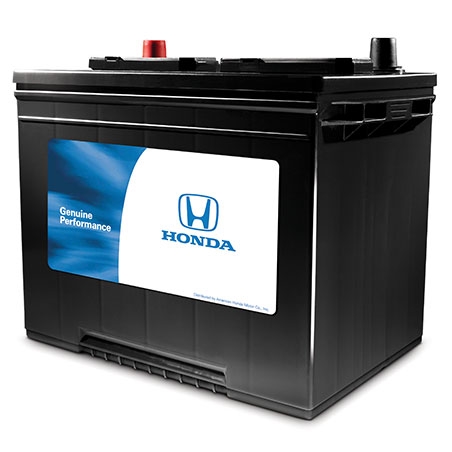
Complimentary Battery Test
If needed. Plus Get a 100-Month Limited Warranty Included!

Cabin & Engine Air Filters
Tire Protection Package
Free 2 Year Road Hazard Protection + Roadside Assistance

Four Wheel Alignment
Alignments are crucial to ensuring that you get the longest life out of your tires.

Fall Service
Includes A/C service with cabin air filter replacement.