Honda Shock and Strut Services in Victoria, TX

Straight Talk About Your Suspension
Suspension damage from county roads tends to hide behind the wheels, where a split rubber cover or a fractured coil can go unnoticed for months. Bravo Honda in Victoria, TX inspects and repairs shocks, struts and the parts around them on all makes and models. The process starts with diagnosis: the vehicle is taken over a rough surface to feel how each corner responds, and then a technician examines the boots, bump stops, springs and dampers on the lift. A torn boot, a crushed stop and a cracked spring are separate findings, and each is reported as such. Only then does your advisor quote parts.
What Keeps Suspension Parts Working
Washboard is the rippled surface that forms on caliche and gravel roads as tires bounce and push loose material into regular ridges. Crossing it at speed makes each wheel rise and fall many times a second, and the dampers turn every one of those small strokes into heat inside their oil. A long stretch of washboard can warm a damper well past its usual working temperature, and hot, thinned oil resists motion less, so the ride grows harsher and looser toward the end of the road.
Cattle guards and ruts deliver a different kind of hit. Instead of a fast buzz, the suspension takes a few sharp impacts that can drive it all the way up to its bump stops, and a rut that catches one wheel twists the body and loads one spring far harder than the others. Taken slowly, both are routine; taken quickly with a full bed, they are where most rough-road damage begins.
- A dust boot is a rubber or plastic bellows around the damper rod, and once it tears, grit from the road reaches the rod and the seal it slides through.
- Bump stops, also called jounce bumpers, are firm foam or rubber blocks that cushion the last bit of travel, and a crushed one lets metal meet metal.
- Coil springs carry the vehicle's weight, and their end coils sit in seats lined with rubber isolators that can wear through on rough roads.
- The damper rod needs a polished, unmarked surface, since a single scratch from trapped grit can wear the seal and start a leak.
- Lower damper bushings and mounting bolts take each impact directly, and a worn bushing can let the damper knock in its bracket.
Gravel roads also wear the coating that protects a coil spring. Stones thrown up by the tires chip the paint, rust starts in the chip, and over time a rusted spot near the end coil can become a crack that finally lets the coil snap. The break often happens with no warning at all, sometimes while the vehicle is parked, and the first clue is a corner that suddenly sits lower than its partner.
Drivers often assume a suspension is healthy as long as it does not clunk. Rough-road damage is frequently silent, though: a torn boot makes no noise, a crushed bump stop only shows itself on the next hard hit, and a damper fading from heat simply lets the ride get busier. Waiting for a noise can mean waiting until the damage has spread from a small rubber part to the damper or spring it was protecting.
What Owners Notice First
Rough-road wear tends to show up in a set order. The rubber parts go first, then the dampers lose control as grit and heat wear their seals, and the springs and their seats take the hardest hits once the cushioning parts are gone.
A ride check on a smooth parking lot misses most of this. The technician needs to feel the vehicle cross broken pavement, a dip and ideally a stretch of rough surface, listening for the thud of a missing bump stop and watching how quickly each corner settles after a jolt.
- A hard, metallic bang from one corner when the suspension bottoms out in a rut or at a cattle guard.
- A harsh, chattering ride that gets worse toward the end of a long washboard stretch and eases after the vehicle sits.
- Shreds of torn rubber boot hanging near a damper, visible with a flashlight behind the wheel.
- A ping or creak from one corner while turning slowly in a parking lot, which can come from a broken spring end shifting in its seat.
- One corner sitting visibly lower than the others, easiest to judge with the vehicle parked on level ground.
Not every rough ride after a ranch trip means suspension damage. Tires aired up hard for a heavy load, a loose item rattling in the bed and a wheel knocked out of balance by caked mud can all make the ride feel harsh or noisy. The technician rules these out before judging a damper or spring worn.
Checking the suspension soon after a hard hit or a long rough stretch keeps the repair to the part that failed. A torn boot replaced early protects a healthy damper, and a cracked spring found before it snaps avoids a sudden drop that can let a tire rub the body.
Service Choices for Your Suspension
Finding rough-road damage, renewing springs and replacing the rubber parts that shield the dampers are the jobs these cards cover.
Rough-Surface Ride Assessment
Your vehicle is taken over broken pavement, a dip and a rough stretch while the technician notes how each corner settles and where any bang or chatter comes from. Back at the shop, it is raised so each damper, boot, bump stop and spring can be examined with the suspension hanging. Ride height is measured at all four corners and compared side to side. Each wheel position gets its own written finding before anything is recommended.
Coil Spring and Seat Replacement
A spring that has cracked, snapped or settled low is renewed together with its partner across the axle, keeping the body level from left to right. The spring seats and rubber isolators are inspected and renewed if worn through, since a fresh spring on a damaged seat can creak and settle unevenly. On struts, the spring may be fitted as part of a complete assembly, and your advisor says which method fits this particular model. Ride height is measured again afterward, and the alignment is measured where the job moves the wheel.
Dust Boot and Bump Stop Renewal
Torn boots and crushed or missing bump stops are replaced before grit and hard impacts reach the dampers they protect. The damper rod is wiped clean and checked for scratches and seepage, since a boot replaced over a leaking damper only hides the problem. Where the damper is still sound, the new boot and stop can go on without replacing it. Where it is not, the estimate shows both options side by side.
How Each Shock and Strut Repair Visit Unfolds
The appointment begins with where the vehicle travels: which county roads, how often it crosses cattle guards and whether it carries a load or tows. Those answers shape the route for the road test.
Someone who drives the county roads off US-77 toward Hallettsville notices, after a weekend of rough ranch-road trips, that the left rear of the SUV sits lower than the right and assumes a strut has blown. On the lift, the damper on that corner still pushes back firmly and shows no oil. The coil spring above it, though, has snapped its bottom coil, and the broken end has slipped down past its seat so the spring stands shorter. A pair of new rear springs with fresh isolators puts the body back level, and the damper stays in service.
- A drive over a rough surface and a few dips shows where the vehicle bottoms out, chatters or knocks.
- Ride height is measured at each corner on level ground and compared with its partner across the axle.
- Boots, bump stops, spring ends and seats are examined with a light while the suspension is unloaded on the lift.
- No spring, damper or boot is ordered until you have heard the findings and agreed to the price.
After the repair, ride height is measured again at every corner and the rough-surface route used at the beginning is driven a second time. If the vehicle carries a load day to day, the advisor may suggest a check with the bed loaded too.
Plan on a short ride with the technician at the start of the visit, because the road test comes before the lift on all makes and models. Boots or springs often go on during a single visit, when the schedule and parts allow. If a spring needs ordering, your advisor raises it as soon as the vehicle arrives.
Honda Experience on Your Suspension
Spring part numbers on a Honda can change with trim, drivetrain and installed options, since each version carries a slightly different weight. The factory-trained team at Bravo Honda confirms the correct springs, dampers and bump stops by VIN, and Honda service information gives the ride height measurement points and fastener torque for your model.
A hard hit at a cattle guard can also leave a stored fault in the stability or braking system, and Honda diagnostic software reads those modules before the vehicle is handed back. On a CR-V or a Ridgeline that spends time on county roads, the technician also checks the rear suspension mounts and the underbody where a rut may have scraped.
- Genuine Honda springs, dampers, boots and bump stops are available to order for owners who want the factory ride back.
- Honda bulletins on suspension noise for your model are part of the parts check.
- Repairs to one axle are recorded in your Honda service history, so the other axle can be compared at a later visit.
Find Bravo Honda in Victoria, TX
Local Towns We Handle Shock and Strut Repair For
County roads off US-77 toward Hallettsville and Yoakum mix paved stretches with caliche, and many ranch entrances cross a cattle guard before the first gate. Drivers who live out on those roads, along with families heading in from Cuero, Edna and Goliad, bring their vehicles to Bravo Honda when the ride starts to bang or a corner looks low.
- Hallettsville, TX
- Yoakum, TX
- Cuero, TX
- Edna, TX
- Inez, TX
- Goliad, TX
- Meyersville, TX
- Bloomington, TX
On a rough road the wear is quiet, and a short drive with a technician aboard usually shows where it has gone. Smooth pavement alone rarely reveals it.
Suspension Questions From Owners
Rough county roads prompt most of the suspension questions below.
Q: How fast should I cross a cattle guard?
Q: Will a leveling kit change how my truck handles rough roads?
Q: Can a deep rut bend parts other than the shocks?
Q: Can I check for rough-road damage myself before booking?
Q: Will your technicians work on a ranch truck from another automaker?
A list of the roads you travel, and whether the trouble began after a cattle guard, a rut or a washboard stretch, makes the road test far more useful.
A photo of the low corner is useful.
Schedule a Look at Your Suspension
Rough-road wear travels from part to part, starting with a boot or a bump stop and ending at a damper or spring. Catching it while only the rubber has given up keeps the visit short and the repair modest.
Your advisor prices each corner separately and explains which repair protects the others. You decide the order, and parts are only fitted once you say yes.
A rough-road ride check from Bravo Honda fits around a working week. Request a time, mention the roads you travel, and the test route can be planned before you arrive.
Service Specials

Wild Card

Tire Rotation & Balance
Properly balanced & rotated tires can improve tire life, gas mileage, ride comfort and uniform wear. Our Trained Technicians will balance, rotate and inflat
Read More

Heroes Appreciation
WE APPRECIATE OUR MILITARY, FIRST RESPONDERS, MEDICAL PERSONNEL, AND TEACHERS! As a thank you for your service, military personnel and first responders receive
Read More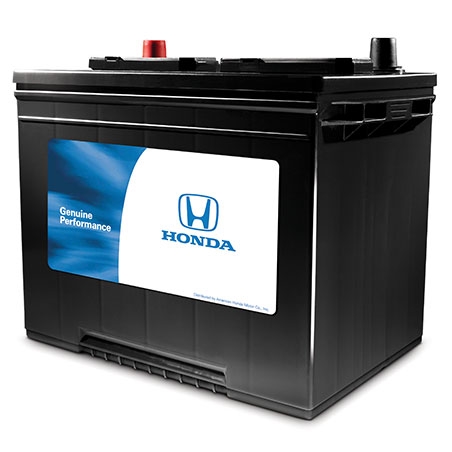
Complimentary Battery Test
If needed. Plus Get a 100-Month Limited Warranty Included!

Cabin & Engine Air Filters
Tire Protection Package
Free 2 Year Road Hazard Protection + Roadside Assistance

Four Wheel Alignment
Alignments are crucial to ensuring that you get the longest life out of your tires.