Honda Coolant System Services in Victoria, TX
When Cooling System Behavior Changes
A cooling system is a sealed loop that runs under pressure, and much of what goes wrong with it happens on the pressure side, often in the minutes after the engine is switched off. The cooling team at Bravo Honda in Victoria, TX looks after all makes and models and diagnoses that side first, starting with the radiator cap, the overflow bottle and the way the loop behaves once a hot engine sits still. The cap is tested on its own, the system is pressurized while cold, and the engine is then brought to heat so the technician can watch what happens at shutdown. Parts such as the water pump or the radiator come into the discussion only after those readings point there. You see the results before deciding on any repair.
A Closer Look Inside Your Cooling System
A radiator cap is a calibrated valve, not a lid. Its spring holds a rubber seal against the filler neck until the coolant beneath it reaches a set pressure, and only then does the seal lift to let the excess move into the overflow bottle. Holding the loop at that pressure is what allows the coolant to run hotter than its open-air boiling point without flashing to steam around the cylinder head.
A second, smaller valve in the center of the cap works in the opposite direction. As the engine cools and the coolant shrinks, a slight vacuum forms in the loop, and that little valve opens so coolant can be drawn back from the bottle. When it sticks, the bottle stays full while the radiator itself runs low, and an upper hose may even be found squeezed flat on a cold morning.
- A thin hose links the filler neck to the overflow bottle, and a cracked or loose one lets the loop pull in air where returning coolant should be.
- Cap ratings differ between vehicles, so a cap that threads on and looks right can still open at the wrong point for that engine.
- The rubber seal on a cap hardens and takes a set with age, and a seal with a flat spot or a nick lets pressure slip away quietly.
- Many current engines keep the radiator fan running for a while after the key is off, a design that keeps air moving across the radiator through the soak.
- A trailer behind the vehicle raises the heat the engine makes at the same road speed, so a loop that copes with a commute can reach its limit only when towing.
Heat soak describes what happens right after shutdown. The water pump stops turning the moment the engine is off, yet the cylinder head and block are still full of stored heat, and that heat moves into coolant that is now sitting still in the passages. Pressure in the loop often climbs for a short while after parking, and a weak cap or a tired seal reveals its fault right then, not out on the highway.
Coolant sitting high in the overflow bottle after a hard drive gets taken as proof that the radiator was overfilled or that something has blown. Some rise is exactly what the bottle exists for, since the cap releases expanding coolant into it and draws it back as the engine cools. The real warning is coolant leaving the bottle altogether, through its vent tube or past its lid, or a bottle level that never comes back down overnight.
Causes Behind Cooling System Complaints
Pressure-side faults tend to show up after the drive, not during it. The gauge may read normal the whole way home, and then a hiss, a gurgle or a fresh puddle appears a few minutes after parking.
Where the puddle lands is a clue. Coolant under the front corner near the overflow bottle, often with a damp trail from its vent tube, suggests the loop vented at heat soak, while a drip under the middle of the engine leans toward a hose joint or the pump. Coolant that escapes only after towing or a long run at full load brings the cap back into focus, because those are the drives that push pressure to its peak.
- A hiss or a soft bubbling from the front of the engine bay in the minutes after you switch the engine off.
- A crusty, dried coolant trail running down from the vent tube of the overflow bottle onto the inner fender.
- An overflow bottle reading above its upper mark after a towing trip and back at its lower mark the next morning.
- A radiator hose that still feels rock hard long after the engine has cooled, or one found squeezed flat on a cold start.
- A wisp of steam from the overflow vent tube after unhitching a trailer, even though the gauge never moved.
Venting after shutdown is not always a cap problem. A head gasket leaking combustion gas into the coolant can overpressurize the loop and push coolant out the same way, and a radiator partly blocked inside can make the engine run hotter than it should before the cap ever opens. A cap test and a chemical check for combustion gas separate those causes before any part is named.
A cap that lets the loop vent costs a little coolant on every hot shutdown, and the level drops until air gets into the passages. From there the engine can run hot on an ordinary drive, which puts the head gasket at risk for the sake of a small, inexpensive part. Checking the cap after the first puddle holds the repair to that scale.
Cooling System Work, Three Ways
Testing here moves from the cap itself, to the loop at heat soak, to the extra demands of a trailer, and each step can be booked as a visit of its own.
Radiator Cap Seal and Valve Test
The cap is removed with the engine cold and fitted to a tester through an adapter that matches its neck. The technician pumps it up to find the pressure at which the main seal lifts, then watches whether it holds there or slowly bleeds down. The small vacuum valve in the center is checked to be sure it opens freely and reseats. The filler neck is inspected for nicks and warping, since a perfect cap cannot seal against a damaged neck. You hear whether the cap passed and see the reading for yourself.
Heat Soak and After-Shutdown Venting Check
The engine is run until the thermostat is fully open and the fan has cycled, then shut off while the technician watches the overflow bottle and its vent tube. A gauge on the loop shows how high pressure climbs during the soak and whether the cap releases coolant early. The fan after-run, on vehicles that use one, is confirmed so heat leaves the engine bay as designed. If coolant escapes, the point where it leaves is marked so the puddle you found at home can be matched to its source.
Tow-Load Cooling Assessment
Owners who pull a stock trailer, a boat or a camper ask more of the loop than a daily drive ever does. The technician pressure tests the system cold, then checks the radiator fins, fan operation and coolant strength with that extra load in mind. Hoses are squeezed along their length for soft spots that only balloon at peak pressure. When the trailer can come along, a short loaded drive with coolant temperature on the scan tool shows how the loop copes with the weight. You leave knowing if the cooling system is ready for the next haul, and what would get it there if not.
From Check-In to Road Test on Every Cooling System Repair Job
A coolant visit starts with a cold engine and a few questions about when the coolant shows up: after towing, after a long highway run, or after an ordinary trip across town. The answer tells the technician whether to begin with the cap, the hoses or the engine itself, and whether the test drive needs a load behind it.
Envision an owner who tows a stock trailer down US-59 toward Goliad and, after parking at home, finds coolant dripping from the overflow tube and a puddle under the front bumper. A neighbor has seen it before and says the water pump is going, so the owner arrives expecting that repair. With the engine cold, the pump shows no weep and no bearing play, and the loop holds steady with an adapter fitted where the cap belongs. On the tester, though, the cap's seal lets go well short of its rating, so every hot shutdown after a heavy pull pushed coolant out of the bottle. A new cap and a top-up to the correct mark ended the puddles, and the original pump stayed on the engine.
- The cap is tested off the vehicle, and its neck is inspected, before the loop itself is pressurized.
- With an adapter in place of the cap, the cold loop is pumped up and watched for a slow fall that points to a seep.
- The engine is brought to full heat and shut off while pressure and the overflow bottle are watched through the soak.
- A failed cap is shown to you beside its test reading, and any larger repair is quoted in writing for you to accept or decline.
After a repair, the loop is filled to the mark the manufacturer specifies and trapped air is bled out following the steps written for that engine. Next comes a second hot shutdown with the technician watching the bottle again, and a final level check once the engine is cold shows the return valve doing its job too.
A ranch truck that vents after hauling cattle and a compact sedan that leaves a spot in the driveway get the same cap and soak testing, as the shop takes in all makes and models. A cap swap usually wraps up within the same appointment, provided the schedule and parts allow. Should the testing point to a radiator or a head gasket, the advisor explains the extra time before anything comes apart.
Why Bravo Honda for Cooling System Repair
Each Honda engine has its own fill and bleed procedure, and the factory training behind the technicians at Bravo Honda covers those steps along with the cap specification for each model. On a Pilot or a Ridgeline set up for towing, Honda diagnostic software displays live coolant temperature and, on many models, the fan commands during a test drive, so the technician sees exactly how the loop handles a trailer.
Replacement caps, hoses and coolant are matched to the VIN, because cap ratings and hose routing can differ between engines in the same model. Honda service information also spells out the correct level marks and any bleed points for your engine, and the technician follows them during the refill.
- A genuine Honda radiator cap can be ordered when you want the rating the engine was designed around.
- Honda towing guidance from the owner's information can be reviewed with you alongside the test results.
- Many Honda engines use spring-style hose clamps from the factory, and they are reused or replaced the way Honda service information directs.
Find Bravo Honda in Victoria, TX
Cooling System Repair Within Easy Reach of Victoria
Weekend trips with a boat to Coleto Creek Reservoir and stock trailers moving along US-59 toward Goliad are the drives that put a cooling loop at its peak pressure, and the venting usually shows up only after the vehicle is parked. Drivers from Victoria and the ranch country around it bring that after-the-drive puddle to Bravo Honda, where the cap is the first thing tested.
- Goliad, TX
- Cuero, TX
- Inez, TX
- Placedo, TX
- Bloomington, TX
- Edna, TX
- Nursery, TX
- Fannin, TX
Coolant on the ground after a tow is a pressure clue, and the cap is the smallest part to rule out first. A cap test answers that question in a single short check.
Asked Often About Cooling System Repair
Owners who tow, or who find coolant on the ground after parking, tend to ask these questions about the pressure side of the cooling system.
Q: Why does coolant come out of the overflow tube after I park?
Q: Can a radiator cap really wear out?
Q: Should I tow with the air conditioning off to keep the engine cool?
Q: Why is my upper radiator hose flat when the engine is cold?
Q: Is the cap and soak testing done on trucks and cars from other manufacturers?
Mentioning whether the coolant appeared after towing, and what kind of trailer was behind the vehicle, gives the advisor a head start on the test plan.
If you can, check the bottle level the next morning and bring that reading.
Line Up Cooling System Repair With Bravo Honda
A worn cap is one of the smallest parts on the engine, yet it decides how much coolant the loop keeps after every hot shutdown. Testing it at the first puddle is quicker than tracing the overheating that follows a slow loss.
The cap reading and the soak results are laid out with a written estimate before anything is replaced. If the cap passes, you hear that too, and the search moves on to the next suspect.
Booking a visit before the next trailer trip gives the technician time for the full heat soak check. Coolant already leaving the bottle moves the visit up, so mention it when scheduling with Bravo Honda.
Service Specials

Properly balanced & rotated tires can improve tire life, gas mileage, ride comfort and uniform wear. Our Trained Technicians will balance, rotate and inflat
Read More

WE APPRECIATE OUR MILITARY, FIRST RESPONDERS, MEDICAL PERSONNEL, AND TEACHERS! As a thank you for your service, military personnel and first responders receive
Read More
If needed. Plus Get a 100-Month Limited Warranty Included!
Free 2 Year Road Hazard Protection + Roadside Assistance
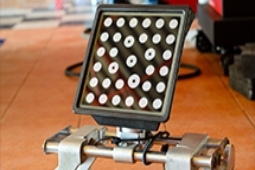
Alignments are crucial to ensuring that you get the longest life out of your tires.