Honda Brake Repair Services in Victoria, TX
Brake Concerns Deserve a Clear Answer
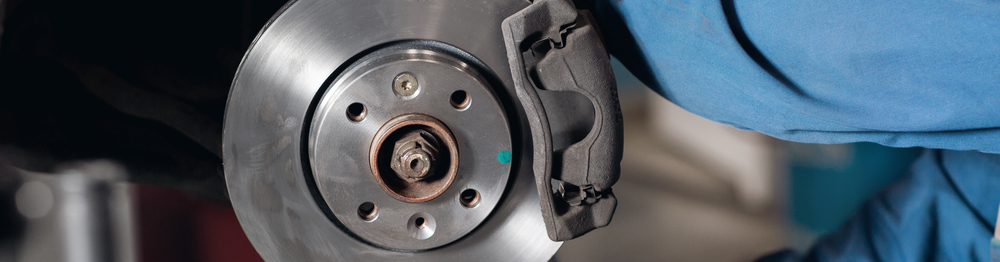
Most modern cars stop with floating calipers, which clamp the pads by sliding back and forth on a pair of greased pins. When those pins stop sliding, one pad does most of the work while the other barely touches, and the brake can drag, pull or wear unevenly long before a noise gives it away. At Bravo Honda in Victoria, TX, the brake team diagnoses that hardware on all makes and models before quoting pads or rotors. Both pads at each wheel, the one facing the piston and the one on the far side, are compared, and each caliper is checked for smooth movement. You learn whether the fix is new parts or simply hardware that moves again.
How Victoria Driving Uses Your Brakes
A floating caliper has pistons on one side only. Pressing the pedal pushes the piston against the inner pad, and the caliper body slides inward on its pins to pull the outer pad against the far face of the rotor. Both pads clamp evenly only while the caliper slides without catching.
The slide pins live in rubber boots packed with a special grease. When a boot tears, water and grit get inside, the grease washes out or hardens, and rust starts to form on the pin. A pin that sticks partway leaves the caliper unable to center itself, so the inner pad keeps pressing while the outer pad lags behind.
- Abutment clips, the thin steel pieces where the pad ears sit, let each pad slide in its bracket, and rust building up under them can pinch a pad in place.
- The rubber boot over each slide pin is its first line of defense, and a small tear is enough to let road water in.
- Pins must be greased with a lubricant made for brake heat and rubber, since the wrong grease can swell the boots and make the pin bind.
- A piston whose surface has corroded under a torn dust boot can hesitate to return, leaving the inner pad resting lightly on the rotor.
- Rotors are cast iron, and a pad riding on them with grit trapped in between can cut circular grooves into the braking face.
A dragging brake costs more than pad life. Friction that never fully releases turns some of the engine's work into heat at one wheel, so fuel use rises a little and the wheel runs hotter than its partner across the axle. The extra heat can age the brake fluid near the caliper and stiffen the boots, making the sticking worse.
Brake wear is usually pictured as even, with both pads on a wheel thinning together. In a caliper with a sticking pin, the inner pad can reach its backing plate while the outer pad still looks nearly new, and a glance through the wheel spokes only shows the outer one. The hidden side is where trouble often shows up first.
Early Hints of Brake Wear
Gravel roads add a problem of their own. Small stones and grit thrown up by the tires can lodge between the pad and rotor or work their way in around a torn boot, and they leave marks that tell a technician where the brake has been suffering.
Uneven wear is the clearest sign of hardware trouble. When the pads on one wheel look different from each other, or one side of the car wears faster than the other, the caliper is usually not sliding as designed. A technician reads those patterns before deciding what to replace.
- A tug toward one side when braking that never shows up while cruising.
- A sharp, hot smell after an ordinary errand loop, traced to one wheel.
- Fuel use that crept up for no clear reason, along with a car that coasts less easily than it used to.
- Deep circular grooves on a rotor face, often from grit trapped against a pad.
- A light, steady squeak from one wheel as the car rolls with the pedal released.
A pull under braking can also come from tires, worn suspension parts or a brake hose that has collapsed inside and holds pressure at one caliper. The technician compares wheel temperatures, inspects the hoses and checks tire pressure along with the slide pins, so the cause is confirmed before any part is chosen.
Caught early, a sticking pin can often be cleaned, regreased and given a new boot. Left alone, it wears the inner pad down to its backing plate, which then cuts into the rotor and turns a hardware job into a pads, rotor and caliper job.
Brake Care Choices
Caliper hardware, uneven pad wear and rotor damage are linked problems, and the cards here take them one at a time.
Slide Pin and Boot Service
Each caliper is lifted off its bracket so the slide pins can be pulled, cleaned and inspected for rust, scoring or bending. Torn boots are replaced, and the pins are greased with a lubricant suited to brake heat and rubber. A pin too damaged to slide smoothly is replaced along with its boot. The caliper is then moved by hand to confirm it glides its full travel without catching.
Uneven Pad Wear Correction
The piston-side pad and its outboard partner are measured at every wheel, so a difference between them is found even when the outer pad looks healthy. Abutment clips are replaced and the bracket channels are cleaned so new pads move as designed. Pads are replaced as an axle set, and the cause of the uneven wear is fixed at the same time so the new set wears evenly. You see the old pads side by side and hear what wore them.
Scored Rotor and Grit Damage Repair
Rotors are inspected for grooves cut by trapped stones and grit, and their thickness is measured against the manufacturer's minimum. A rotor with shallow scoring and enough thickness can sometimes be resurfaced, while a deeply grooved one is replaced. Dust shields are checked for bends that let gravel collect near the rotor. New or resurfaced rotors are paired with fresh pads, which are then broken in with a controlled set of stops.
Inside Our Brake Repair Workflow
A brake visit starts with how the car behaves, including whether it pulls, which wheel smells or feels hot and whether fuel use has changed. On the lift, the technician spins each wheel by hand to feel for drag before anything is taken apart.
Here is a case that turns up often. A driver who brakes at every light along Navarro Street noticed the car tugging to the right each time and was told the wheel alignment was off. The alignment readings were within specification. On the lift, the left front caliper barely moved on its pins because one slide pin had rusted fast inside a torn boot, so only its inner pad was doing any work and the stronger right front brake was pulling the car toward it. A freed and regreased pin, a new boot and a fresh set of pads ended the pull without any alignment work.
- Each wheel is spun by hand on the lift to feel for drag, and wheel temperatures can be compared after a short drive.
- Pad thickness is recorded for every pad on the car, so a gap between the two sides of one caliper is plain to see.
- Slide pins, boots and abutment clips are inspected at each caliper, and the hoses are checked for internal collapse.
- A written estimate explains each item and why it is needed, and work begins only with your okay.
After the repair, each caliper is moved by hand to confirm it slides smoothly, and the pedal is pumped to bring the pistons against the new pads. A drive with gradually firmer stops seats the new friction material, and the same drive confirms the car stops straight and that no wheel runs hotter than the others.
Front calipers on a work truck that sees gravel daily often need their pins serviced at both wheels, so the advisor may suggest checking both sides even when only one pulls. The brake bays take all makes and models, and when the schedule and parts allow, slide pin service and pads are usually completed in one visit. If a caliper or rotor needs ordering, the advisor says so before any wrench turns.
Honda Parts and Tools for Your Brakes
Honda service information spells out which grease goes on each slide pin and how the abutment clips seat, and the factory-trained brake team at Bravo Honda works from it directly. Whether a rotor can be resurfaced depends on the minimum thickness Honda lists for your VIN, so on an Accord or a CR-V the technician measures against it before deciding.
Honda caliper hardware kits include the clips and boots matched to each caliper, and the kit for your build is used when pads are replaced. Wheel nuts are tightened to the Honda specification so the rotors seat evenly against the hub.
- A genuine Honda hardware kit, pad set or slide pin boot is an option to order for drivers attached to the factory feel.
- Pad measurements for every wheel are saved in your Honda service history, so uneven wear can be tracked over time.
- Honda bulletins about brake noise or caliper hardware on your model are reviewed before parts are recommended.
Find Bravo Honda in Victoria, TX
Brake Repair Customers in the Wider Victoria Area
Stop-and-go driving on Navarro Street and Rio Grande Street keeps calipers working all day, and the gravel roads beyond town add grit to the mix. Cuero, Goliad and Edna drivers bring their vehicles to Bravo Honda when a pull, a hot smell or uneven wear starts to show.
- Cuero, TX
- Goliad, TX
- Inez, TX
- Bloomington, TX
- Placedo, TX
- Edna, TX
- Yorktown, TX
- Telferner, TX
Uneven pads tell the story of a caliper, so every wheel gets both of its pads measured.
Owner Questions on Brake Care
Uneven wear, pulls and hot wheels prompt most of the caliper questions answered below.
Q: Why is the inner brake pad worn more than the outer one?
Q: Can a dragging brake really lower my fuel economy?
Q: What causes grooves on my brake rotors?
Q: Do slide pins need regular maintenance?
Q: Are slide pins and calipers on other brands serviced the same way?
It helps to note which way the car pulls and which wheel, if any, smells or feels hot after a drive.
Regular gravel driving is worth a mention.
Bring In Your Brakes
With each stop, a sticking slide pin wears one pad faster, and the repair grows once metal reaches the rotor. Freeing it while the pads still have material keeps the work to hardware and pads.
Pad measurements, rotor findings and a separate price for each item come before any work. Hardware alone may be enough, and the estimate makes that clear.
When you reach out to Bravo Honda, describe the pull, the smell or the uneven wear, and the visit can be planned around it. A hard pull or a pedal that feels wrong deserves a mention up front, which lets the shop see the car promptly.
Service Specials

Properly balanced & rotated tires can improve tire life, gas mileage, ride comfort and uniform wear. Our Trained Technicians will balance, rotate and inflat
Read More

WE APPRECIATE OUR MILITARY, FIRST RESPONDERS, MEDICAL PERSONNEL, AND TEACHERS! As a thank you for your service, military personnel and first responders receive
Read More
If needed. Plus Get a 100-Month Limited Warranty Included!
Free 2 Year Road Hazard Protection + Roadside Assistance
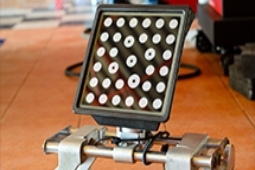
Alignments are crucial to ensuring that you get the longest life out of your tires.