Honda Battery Services in Victoria, TX

Let a Technician Look at Your Battery
Replacing a starting battery takes more than lifting one out and setting another in. The bracket that holds it, the clamps that grip its posts and the settings the vehicle loses while it is disconnected all decide whether the new one starts the car reliably. At Bravo Honda in Victoria, TX, technicians who service all makes and models diagnose the starting system first, checking the battery's age and cranking power along with how firmly it sits in its tray. If a replacement is needed, stored settings are protected during the swap and any relearn steps are completed afterward. You leave with a battery that is secured, connected and matched to the vehicle.
The Basics of Battery Design
A starting battery is heavy for its size, and it rides in a tray held down by a bracket, a strap or a clamp at its base. The hold-down keeps the battery from sliding or bouncing as the vehicle moves. When it loosens, the battery can shift with every bump, pulling on the cables and rocking the posts inside their clamps.
Vibration is hard on the inside of a battery as well. The lead plates are packed closely and held in place, and repeated jolts can loosen the material on them or crack the connections between cells. A battery that has been rattling in a loose mount often fails sooner than its age would suggest, sometimes all at once.
- Terminal clamps are made of soft metal so they can grip a post tightly, which also means they can crack or stretch if the battery shifts or the bolt is overtightened.
- A memory saver connects through the diagnostic port and keeps saved stations, the time display and stored module values alive while the battery is out.
- After a battery swap, many vehicles need a short relearn so power windows regain their one-touch function and the engine computer settles its idle.
- Most batteries carry a date code stamped on the case or printed on a label, which shows how long the battery has been in service or sitting on a shelf.
- The tray beneath the battery can corrode or crack, and a weak tray lets even a tight hold-down move.
Cranking power fades gradually with age, and the date code helps put a test result in context. A battery that tests marginal and is well along in its life is a different case from a newer one that tests the same way after a long sit. Technicians weigh both pieces of information before suggesting a replacement.
Age gets most of the blame for starting trouble, as if a newer battery could never cause a no-start. A brand new battery dropped into a loose mount or fitted with a cracked clamp can fail to start the car just as surely as a worn one. How it is installed matters as much as how fresh it is.
Battery Symptoms Worth Writing Down
Rough roads reveal a loose battery long before it fails outright. Cattle guards, washboard ruts and potholes send sharp jolts through the vehicle, and a battery that is not held firmly rocks against its cables each time.
The symptoms of a loose battery or cracked clamp tend to be intermittent, which makes them confusing. The car may start normally most of the time, then answer the key with a single click after a bumpy drive and work again an hour later.
- Bright rub marks or fresh scuffs where the battery case has been sliding against its tray or bracket.
- Dash lights that flicker or reset as the vehicle crosses a cattle guard or a deep rut.
- A battery that can be moved by hand, or a hold-down bolt that turns without resistance.
- A terminal clamp with a visible crack, a split near its bolt or a post that turns inside it.
- Power windows that lost their one-touch function after someone else replaced the battery.
An intermittent no-start can come from several places, including the starter, the ignition switch and the main cables. The technician checks the battery mount and the clamps first because they are quick to inspect, then checks cranking power and the alternator's output before any other part is suspected.
A battery that keeps moving can eventually wear through its case or rub a cable against sharp metal. Tightening the mount and replacing a cracked clamp early costs far less than the damage a loose battery can do on a rough road.
Picking the Right Battery Visit
Mounting, replacement and the setup that follows a swap are handled as separate jobs, so you pay only for the ones your vehicle needs.
Hold-Down, Tray and Clamp Inspection
The technician checks for any movement in the tray and whether the hold-down bolt or strap still holds with proper tension. The tray is examined for cracks and corrosion, and both terminal clamps are checked for splits, stretched openings and posts that turn. Damaged clamps or hold-down parts are replaced with ones made for the vehicle. A cranking test follows, showing whether the battery itself also needs attention.
Battery Swap With Memory Protection
Before the old battery comes out, a memory saver can be connected to keep stored settings alive during the exchange. The new battery is chosen to fit the tray and the cranking rating the maker lists, set in a clean tray and fastened firmly. Clamps are cleaned or replaced and tightened to the correct fit, neither loose nor crushed. Its date code is noted on your record.
Post-Replacement Relearn and Setup
After a battery swap, the technician completes the relearn steps your vehicle needs, such as resetting the one-touch window function and letting the engine computer relearn its idle. Radio and navigation security codes are handled where a vehicle asks for them. Warning lights that sometimes appear after a disconnect are checked and cleared. You drive away with the vehicle working the way it did before the swap.
The Testing Behind Our Battery Service Recommendations
A battery visit begins with how the trouble shows up, whether the no-start is steady or comes and goes, and whether it follows a drive on rough roads. The technician then puts a hand on the battery to see if it moves before connecting any tester.
Think about a ranch truck that crosses several cattle guards on the way out to US-59 each morning and sometimes answers the key with a single click and nothing more. The starter seems the obvious culprit, and a replacement is about to be ordered. Under the hood, the hold-down bolt had backed off, the battery had been sliding in its tray, and the pull on the cable had cracked the positive terminal clamp so it lost contact whenever the battery shifted. A new clamp and a properly tightened hold-down ended the clicking, and the original starter stayed on the truck.
- The battery is checked for movement in its tray, and the hold-down is checked for tension and damage.
- Each terminal clamp is inspected for cracks and tested for a firm grip on its post.
- Cranking power is tested and the date code read, so the replacement decision weighs both.
- An estimate covering each part comes before any work, and your approval starts the job.
After service, the engine is started several times, and the technician gives the battery a firm push to confirm it no longer moves. The alternator's output is checked, any relearn steps are completed, and the windows and idle are tested before the vehicle is returned.
A loose mount is easiest to confirm before anyone disturbs the battery, so a visit soon after an intermittent no-start works well. Every make and model is accepted for this work, and a clamp repair or battery replacement can often be finished in one stop when the schedule and parts allow. A tray or hold-down part that has to be ordered may need a short second stop, and you hear that up front.
Battery Service With Honda Training Behind It
Battery trays and hold-downs differ across the Honda lineup, and the fastening for each is covered in the Honda training the Bravo Honda technicians complete. The tightening specification for each hold-down, and the relearn steps that follow a swap on a CR-V or a Civic, come from Honda service information, and Honda diagnostic software confirms that no codes were stored during the disconnect.
Many Honda models need the one-touch power window function reset after the battery is disconnected, and some need an idle relearn as well. The technician completes those steps before the vehicle leaves, and the replacement battery's size and rating are matched to your VIN.
- Owners who would rather keep factory parts can have a Honda battery, hold-down kit or clamp set ordered.
- The installation date and the battery date code are recorded in your Honda service history.
- If your Honda uses an anti-theft code for its radio or navigation, the advisor can explain what to have ready.
Find Bravo Honda in Victoria, TX
Battery Service Visits From Around Victoria
Ranch roads off US-59 and the cattle guards that cross them are part of daily driving for many owners around Victoria, and every crossing tests the battery mount. Drivers from Telferner, Inez, Edna and the surrounding communities bring their vehicles to Bravo Honda when a start turns unreliable or a home battery swap left something not quite right.
- Telferner, TX
- Inez, TX
- Edna, TX
- Placedo, TX
- Bloomington, TX
- Nursery, TX
- Goliad, TX
- Meyersville, TX
Once it stays put in its tray and grips its posts firmly, the battery becomes one less thing to wonder about on a back road.
What We Hear About Battery Service
These answers cover the battery replacement and mounting questions owners ask most.
Q: Why does my car only fail to start after a bumpy drive?
Q: What is a memory saver, and do I need one for a battery swap?
Q: Why did my one-touch windows stop working after a new battery?
Q: How can I tell how old my battery is?
Q: Can any make of car have its battery mount and clamps checked here?
Let the advisor know whether the no-start comes and goes and whether anyone else replaced the battery recently.
A rough-road drive just before the trouble is a useful detail.
When You Are Ready for Battery Service
Left loose, a battery can fail to start the car at any moment, including at a gate far down a ranch road. Securing it now takes little time and removes that worry.
The technician shows you the mount, clamps and test results, and each repair is priced separately. Nothing beyond the inspection starts without your approval.
A quick note to Bravo Honda about how and when the click happens helps the visit go faster. A vehicle that will not start today can still be booked, and the advisor can talk through getting it to the shop.
Service Specials


Wild Card

Tire Rotation & Balance
Properly balanced & rotated tires can improve tire life, gas mileage, ride comfort and uniform wear. Our Trained Technicians will balance, rotate and inflat
Read More

Heroes Appreciation
WE APPRECIATE OUR MILITARY, FIRST RESPONDERS, MEDICAL PERSONNEL, AND TEACHERS! As a thank you for your service, military personnel and first responders receive
Read More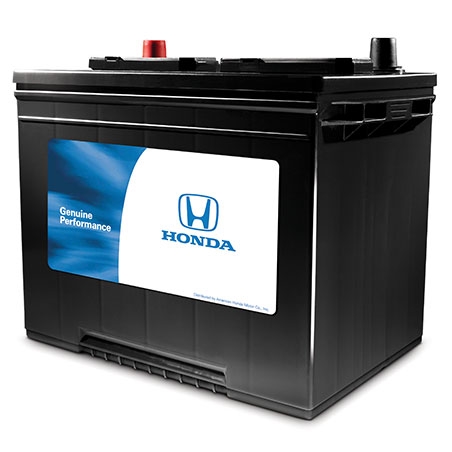
Complimentary Battery Test
If needed. Plus Get a 100-Month Limited Warranty Included!

Cabin & Engine Air Filters

Tire Protection Package
Free 2 Year Road Hazard Protection + Roadside Assistance

Four Wheel Alignment
Alignments are crucial to ensuring that you get the longest life out of your tires.

Fall Service
Includes A/C service with cabin air filter replacement.