Honda Air Filter Services in Victoria, TX
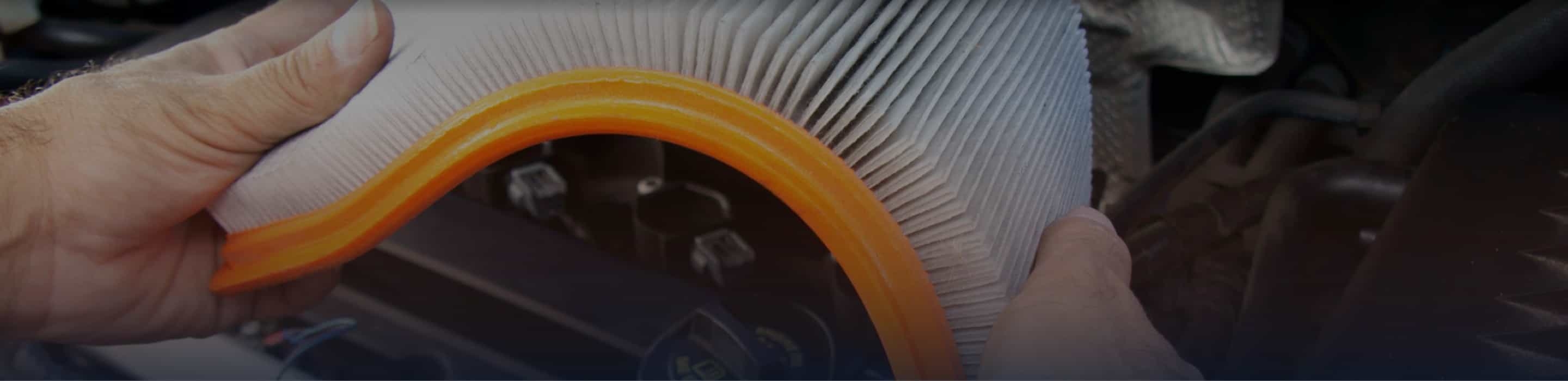
Put Your Air Filters Back on Solid Ground
Every breath an engine takes passes through an inlet, a sealed box, a flexible duct and a set of clamps, and the filter only works while all of them stay tight. The cabin has its own version of that path, where a screen and a drain channel under the windshield sit in front of the cabin filter. At Bravo Honda in Victoria, TX, the service team inspects the whole route on all makes and models before recommending a new element. A clean filter behind a cracked duct protects nothing, and a fresh cabin element sitting under a clogged cowl stays damp. Diagnosis comes first, so you pay for the part of the path that actually failed.
Parts That Make Up Your Air Filters
Air for the engine follows a fixed route. It enters through an inlet tucked behind the grille or a fender, drops into the airbox, passes through the filter and then flows down a rubber or plastic duct to the throttle, with an airflow sensor measuring it along the way. Each joint on that route is a place where outside air could slip in without being filtered or counted.
The duct between the airbox and the throttle has the hardest life. It flexes every time the engine rocks on its mounts, it sits close to engine heat, and its folds and ribs can crack from the inside where no one sees. A split on the clean side of the filter draws dust straight toward the engine, and on most modern engines it also admits air the sensor never measured.
- Clamps at each end of the duct can loosen as the rubber takes a set, leaving a joint that looks seated yet leaks under suction.
- Airbox lids are held by spring clips or screws, and one clip that has lost its tension can leave a corner raised just enough to pass dust.
- Smaller crankcase ventilation hoses connect into the main duct, and a cracked nipple or a hose that has slipped off opens another side door.
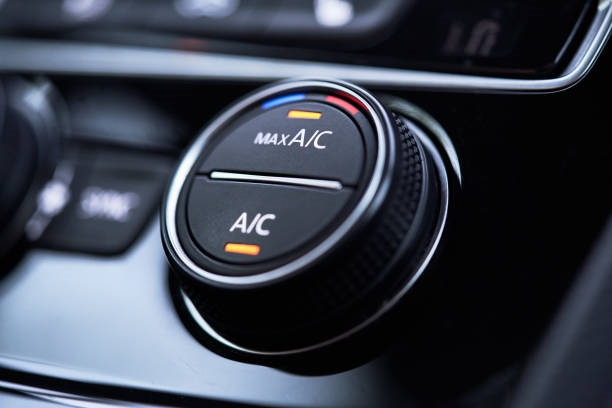
- The cabin side starts at the cowl, the slotted panel at the base of the windshield, where a screen keeps leaves out of the fresh-air inlet.
- Drain channels below the cowl carry rainwater away, and when they clog, water can stand in the space right in front of the cabin filter.
Engine computers trust their airflow sensor completely. They meter fuel to match the air it reports, so any air entering downstream of the sensor leaves the mixture lean and the idle unsettled. The computer keeps correcting, and on some engines it logs a lean or idle fault code once its correction runs out.
Replacing the filter is usually treated as the whole job. A new element only helps if the box seals around it and every joint after it holds, so a fresh filter dropped into a cracked or loosely clamped intake can leave the engine breathing dirtier air than before. The inspection around the filter matters as much as the part itself.
Air Filter Signals Seen Around Victoria
Intake leaks give themselves away through sound and behavior more often than through looks. A duct split along a fold can close while the engine is still and open as it rocks, so the trouble may come and go with gear changes.
Dusty driving shows exactly where air has been leaking, leaving a pale trail inside the duct downstream of any gap. On the cabin side, a musty odor, a damp passenger floor or leaves packed into the cowl slots point to a screen or drain that needs clearing.
- An idle that rises and falls on its own while the car sits at a light.
- A sucking or hissing sound from the engine bay that changes with throttle, coming from somewhere between the airbox and the throttle.
- A whistle from under the hood at idle that quiets when the duct is pressed by hand.
- Water standing below the cowl panel, or a soggy cabin filter after a wet night.
- A check engine light paired with a lean or idle fault code on an engine that otherwise feels normal.
An unsettled idle has other possible sources besides an intake leak. A dirty throttle, a sticking idle valve on older engines or a cracked vacuum hose elsewhere can produce a similar hunt, so the technician confirms the leak before replacing a duct. A smoke test on the intake, where available, shows exactly where outside air is getting in.
Dust riding in through a cracked duct scours whatever it touches downstream, and an engine running lean for a long stretch works harder than it should. Catching a split while the only damage is to the duct keeps the repair to a new duct and a pair of clamps.
How We Approach Air Filter Replacement
Each card covers one stretch of the route air travels, from the inlet and airbox to the duct and on to the cowl.
Airbox Seal and Lid Clip Service
The technician removes the filter and looks at the box itself, checking the lid clips, the sealing lip and the inlet for cracks or warping. Clips that no longer snap tight are replaced, and a warped lid can be ordered when it will not close evenly. The filter is judged on its own condition and goes back in when it still has life. The lid is then closed and checked by hand around every edge.
Intake Duct and Clamp Leak Repair
With the engine idling, the duct between the airbox and the throttle is flexed and inspected along every fold, and a smoke test can be used where a crack hides from view. A split or brittle duct is replaced with one matched to the engine, and each clamp is renewed or set back in its correct position. Smaller ventilation hoses that join the duct are checked at the same time. Any idle or lean code is cleared and the idle watched to confirm it settles.
Cowl Screen and Drain Clearing
The wiper arms and cowl panel come off where needed so the screen in front of the fresh-air inlet can be cleaned. Leaves and silt are cleared from the drain channels, and water is poured through to confirm it runs out under the car. The cabin filter is checked for dampness or mildew and replaced if moisture has reached it. Afterward the blower pulls fresh air through the new path so a clean smell and steady flow can be confirmed.
How We Verify Air Filter Replacement Results
The inspection starts at the inlet and follows the air inward. The technician listens to the engine at idle, then opens the airbox and studies the duct before the filter is judged, because what happens after the filter decides whether the filter matters.
A rancher who drives US-77 into town several times a week brought in a pickup whose idle surged up and down at every stop, sure that the engine filter was choked with road dust. The filter was dusty yet passed air with ease. The real problem was a split hidden in a fold of the intake duct just behind the airbox, which opened whenever the engine rocked and let in air the airflow sensor never measured. A new duct and clamps settled the idle, and the original filter went back in.
- The idle is observed before anything is opened, including how it reacts to shifting into gear and turning the wheel.
- The airbox lid, clips and sealing lip are inspected with the filter out, so a gap is not hidden by the element.
- The duct is checked along its folds and at both clamps, and the inside is wiped to look for dust past the filter.
- Findings and an itemized estimate come first, and nothing is replaced without your approval.
After the repair, the engine idles through gear changes and steering turns while the technician watches for a steady speed. Any stored code is cleared, and the intake is rechecked once the engine is warm, since rubber parts can seal differently hot and cold.
Mentioning a rough idle when booking lets the advisor plan time for a smoke test, which runs longer than a filter swap. The bays see all makes and models, and a duct or clamp repair is often completed at that same appointment when the schedule and parts allow. A part that has to be ordered may mean a second short stop, and you hear about it at the start.
Factory Procedures for Air Filter Replacement
Intake routing on Honda engines is part of the factory training completed by the technicians at Bravo Honda, including the clips and hose joints that are easy to disturb during a filter change. On a Pilot or a Ridgeline, they follow Honda service information to remove the duct without cracking its fittings, and Honda diagnostic software shows the airflow and idle data that confirm the repair.
Intake ducts, clamps and airbox parts are matched to your VIN, since one model can carry different ducts for different engines. Honda service information also notes when an idle relearn is needed after intake work, and the technician completes it before the vehicle is returned.
- Factory intake ducts and airbox clips from Honda are available to order when an exact fit matters to you.
- Duct and airbox findings go into your Honda service history beside the filter result.
- If a Honda bulletin applies to the intake on your engine, it is reviewed during the inspection.
Find Bravo Honda in Victoria, TX
Driving In for Air Filter Replacement From Nearby Towns
Trucks and SUVs that spend the week on caliche county roads and the weekend running US-77 pull a lot of air through their intakes, and every joint along the way gets tested. Owners from Victoria and nearby towns from Bloomington to Yorktown bring those vehicles to Bravo Honda when an idle turns unsteady or the cabin starts smelling damp.
- Bloomington, TX
- Inez, TX
- Cuero, TX
- Goliad, TX
- Yorktown, TX
- Edna, TX
- Placedo, TX
- Nursery, TX
Following the air from the inlet to the throttle, and from the cowl to the cabin filter, is how a hidden leak gets found.
Air Filter Replacement Questions Worth Asking
These are the intake and cabin air questions owners ask once a new filter has not fixed the problem.
Q: Why does my idle still surge after a new engine air filter?
Q: What is the cowl, and why does it matter for cabin air?
Q: Can a loose airbox clip really let dirt into the engine?
Q: Why is my passenger floor damp after it rains?
Q: Does the intake inspection work on any make of vehicle?
Mention when the idle acts up and whether the filter was changed recently, so the technician knows where to start.
Notes about a damp floor help too.
Plan Air Filter Replacement at Bravo Honda
Every drive with a split duct sends unfiltered dust toward the engine. Fixing it while the damage is still a duct and a clamp protects the airflow sensor and the engine behind it.
You see the duct, clips and cowl as found, along with an estimate for each item. A filter with useful life goes back in.
Online scheduling, a phone call or a visit to Bravo Honda all work for setting up an intake inspection. A short note about the idle or a damp floor helps the technician plan where to begin.
Service Specials


Properly balanced & rotated tires can improve tire life, gas mileage, ride comfort and uniform wear. Our Trained Technicians will balance, rotate and inflat
Read More

WE APPRECIATE OUR MILITARY, FIRST RESPONDERS, MEDICAL PERSONNEL, AND TEACHERS! As a thank you for your service, military personnel and first responders receive
Read More
If needed. Plus Get a 100-Month Limited Warranty Included!

Free 2 Year Road Hazard Protection + Roadside Assistance

Alignments are crucial to ensuring that you get the longest life out of your tires.